Saturday, October 20, 2007

Wednesday, February 28, 2007
The Value of Carrot Juice
Beta carotene is the most active form of carotenoids, which are pigment substances in plants that can often form vitamin A. The major contributions vitamin A makes to the human body are to promote growth; for visual light and color; to prevent drying of the skin and eyes; for maintenance of the digestive and urinary tracts; and to enhance resistance to bacterial infection.
Vitamin A has also been linked to cancer prevention. A deficiency in vitamin A can cause symptoms such as night blindness; poor growth; dry skin; and xerophthalmia or "dry eye," which can promote blindness due to a lack of mucus production by the eye. Carrots also contain the vitamins B, C, D, E, and K; the minerals calcium, phosphorous, potassium, sodium, and traces of other minerals; and a trace amount of protein.
Vitamin A has also been linked to cancer prevention. A deficiency in vitamin A can cause symptoms such as night blindness; poor growth; dry skin; and xerophthalmia or "dry eye," which can promote blindness due to a lack of mucus production by the eye. Carrots also contain the vitamins B, C, D, E, and K; the minerals calcium, phosphorous, potassium, sodium, and traces of other minerals; and a trace amount of protein.
Calcium helps to strengthen bones, teeth, and the intestinal walls. The high mineral levels in carrots contribute to healthy skin, hair, and nails. Carrots also work as a sort of cleanser for the liver, and when consumed regularly, can help the liver excrete fats and bile.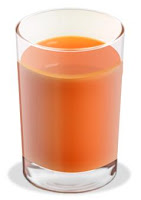

Friday, January 05, 2007
Detox Vegetable Broth
Adapted from The Tao of Detox, by Daniel Reid (Inner Traditions, 2006)
Simple Solution
Help clear away the ill effects of holiday over-indulgence with this nourishing and effective detoxifying broth! It is filled with vitalizing seasonal ingredients like pumpkin and carrots.
INGREDIENTS
1 3/4 quarts pure water
1 teaspoon Celtic Sea Salt
5 slices ginger root
2 finely chopped carrots
3 stalks finely chopped celery
1 cup finely chopped cabbage
1 cup finely chopped spinach
1 cup finely diced pumpkin
1 finely chopped squash
5 finely sliced shiitake mushrooms (fresh or dried)
1 cup chopped parsley
1. Place all ingredients in a non-reactive cooking pot. Bring to a full boil, then reduce heat to a simmer, cover partially, and let cook until liquid is reduced to about half.
2. Line a colander with a piece of cloth and strain the broth into a bowl. Discard the vegetable pulp and drink the broth with meals or as a snack between meals.
Simple Solution
Help clear away the ill effects of holiday over-indulgence with this nourishing and effective detoxifying broth! It is filled with vitalizing seasonal ingredients like pumpkin and carrots.
INGREDIENTS
1 3/4 quarts pure water
1 teaspoon Celtic Sea Salt
5 slices ginger root
2 finely chopped carrots
3 stalks finely chopped celery
1 cup finely chopped cabbage
1 cup finely chopped spinach
1 cup finely diced pumpkin
1 finely chopped squash
5 finely sliced shiitake mushrooms (fresh or dried)
1 cup chopped parsley
1. Place all ingredients in a non-reactive cooking pot. Bring to a full boil, then reduce heat to a simmer, cover partially, and let cook until liquid is reduced to about half.
2. Line a colander with a piece of cloth and strain the broth into a bowl. Discard the vegetable pulp and drink the broth with meals or as a snack between meals.
Friday, November 03, 2006
Sorting Oils
Saturated, Polyunsaturated, Monounsaturated -- What Does It All Mean?
Not all fats are the same. There are three kinds of fat -- saturated, monounsaturated, and polyunsaturated -- and foods contain a mixture of all three. Butter, for example, is 65 percent saturated, 4 percent polyunsaturated, and 30 percent monounsaturated fat. It's labeled as a saturated fat because that's the fat that occurs in the greatest amount.
Monounsaturated fats
* Are liquid at room temperature.
* May help lower your total blood cholesterol level.
* Are thought to raise HDL (good) cholesterol and lower LDL (bad) cholesterol levels.
* Are found in greatest abundance in canola, olive, and peanut oils.
Polyunsaturated fats
* Are liquid at room temperature.
* Are found mainly in vegetable oils, except tropical oils (coconut, palm, and palm kernel oils).
* Are thought to lower both HDL (good) and LDL (bad) cholesterol.
* Have been implicated in colon cancer.
Saturated fats
* Are usually solid at room temperature.
* Are found in many animal products and tropical oils.
* Cause the total blood cholesterol level to rise.
So what do you do with these facts? First, keep your calories from fat to 30 percent or less of your total calories. Less than a third of the fats you do eat should come from polyunsaturated fats. And less than another third of the fats you do eat should be saturated. The remaining calories should be from monounsaturated fat.
You won't need a chart to accomplish this. Just eat more chicken and fish and less pork and beef. And choose oils over solid fats.
Hydrogenation: A good oil turned saturated
Have you ever wondered how corn oil can turn into corn oil margarine? Or other vegetable oils become shortening? The process is called hydrogenation.
Hydrogenation is a process of changing a liquid oil into a hard or solid fat. Partial hydrogenation only changes some of the individual fat molecules from polyunsaturated to monounsaturated. More hydrogenation will then turn more polyunsaturated fats to monounsaturated fat or change monounsaturated fats to saturated fats. When enough have been changed, the oil becomes "visible" as a hard fat.
Food companies hydrogenate oils either to improve their shelf life or to make an oil into margarine or shortening. When oils are fully hydrogenated, the process turns them into saturated fats...the fat to be avoided.
The oil that may have been heart-healthy in the beginning, may then be no better than lard--so watch out.
Not all fats are the same. There are three kinds of fat -- saturated, monounsaturated, and polyunsaturated -- and foods contain a mixture of all three. Butter, for example, is 65 percent saturated, 4 percent polyunsaturated, and 30 percent monounsaturated fat. It's labeled as a saturated fat because that's the fat that occurs in the greatest amount.
Monounsaturated fats
* Are liquid at room temperature.
* May help lower your total blood cholesterol level.
* Are thought to raise HDL (good) cholesterol and lower LDL (bad) cholesterol levels.
* Are found in greatest abundance in canola, olive, and peanut oils.
Polyunsaturated fats
* Are liquid at room temperature.
* Are found mainly in vegetable oils, except tropical oils (coconut, palm, and palm kernel oils).
* Are thought to lower both HDL (good) and LDL (bad) cholesterol.
* Have been implicated in colon cancer.
Saturated fats
* Are usually solid at room temperature.
* Are found in many animal products and tropical oils.
* Cause the total blood cholesterol level to rise.
So what do you do with these facts? First, keep your calories from fat to 30 percent or less of your total calories. Less than a third of the fats you do eat should come from polyunsaturated fats. And less than another third of the fats you do eat should be saturated. The remaining calories should be from monounsaturated fat.
You won't need a chart to accomplish this. Just eat more chicken and fish and less pork and beef. And choose oils over solid fats.
Hydrogenation: A good oil turned saturated
Have you ever wondered how corn oil can turn into corn oil margarine? Or other vegetable oils become shortening? The process is called hydrogenation.
Hydrogenation is a process of changing a liquid oil into a hard or solid fat. Partial hydrogenation only changes some of the individual fat molecules from polyunsaturated to monounsaturated. More hydrogenation will then turn more polyunsaturated fats to monounsaturated fat or change monounsaturated fats to saturated fats. When enough have been changed, the oil becomes "visible" as a hard fat.
Food companies hydrogenate oils either to improve their shelf life or to make an oil into margarine or shortening. When oils are fully hydrogenated, the process turns them into saturated fats...the fat to be avoided.
The oil that may have been heart-healthy in the beginning, may then be no better than lard--so watch out.
Saturday, September 09, 2006
Importance of Clean Water For Your Health
Water Can Heal! Water is the essence of life! Drinking enough clean water is the first priority for mental and physical health. Water can prevent and alleviate many of our symptoms. Drinking plenty of water is even more critical during physical therapy and healing process. Detoxation requires a large amount of water to flush the "contaminants" out of your body.
Water Cure - Recomended Insight

75 % of our bodies are composed of water. The brain is 85% water.
If you don’t take enough water, some functions of the body will suffer. Dehydration produces system disturbances.
Water Cure - Recomended Insight

75 % of our bodies are composed of water. The brain is 85% water.
If you don’t take enough water, some functions of the body will suffer. Dehydration produces system disturbances.
Friday, May 12, 2006
Recipe -Grilled Apple Rings
1/3 c. sugar
1/4 tsp. ground cinnamon
4 med. baking apples, cored and cut crosswise into 1-inch slices
1/4 c. margarine, melted
Mix sugar and cinnamon; reserve.
Brush both sides of apple slices with margarine.
Grill apples 3-4 inches from medium coals 8 minutes; turn.
Sprinkle with sugar mixture (sugar melts while other side browns).
Grill 5-10 minutes
1/4 tsp. ground cinnamon
4 med. baking apples, cored and cut crosswise into 1-inch slices
1/4 c. margarine, melted
Mix sugar and cinnamon; reserve.
Brush both sides of apple slices with margarine.
Grill apples 3-4 inches from medium coals 8 minutes; turn.
Sprinkle with sugar mixture (sugar melts while other side browns).
Grill 5-10 minutes
Tuesday, May 02, 2006
Recipe - Fresh Tomato Ketchup
An excellent way to "put up" an overabundance of tomatoes, this spicy ketchup is easy to make, and you control the salt.
4 pounds very ripe tomatoes, peeled, seeded, and coarsely chopped
1 large onion, 8 ounces, chopped
2 large cloves garlic, minced
2/3 cup dark cider vinegar
2 tablespoons dark brown sugar
1/2 teaspoon crushed dried red pepper flakes
1 large bay leaf, broken in half
1 1/2 teaspoons salt (optional)
1 teaspoon ground cinnamon
1 teaspoon paprika
3/4 teaspoon ground mustard
1/2 teaspoon ground coriander
1/4 teaspoon ground allspice
dash ground cloves
dash cayenne pepper
freshly ground pepper to taste
Place all ingredients in a large nonreactive pot. Stir and bring to a boil over medium high heat.
Lower heat to simmer and continue to cook, partially covered, for 1 hour, stirring often.
Remove and discard the bay leaf halves.
Working in batches, transfer the tomato mixture to a food processor or blender.
Process until smooth. Return to the pot and continue to simmer, uncovered, until thickened, about 20 to 15 minutes.
Stir frequently to prevent scorching on the bottom.
Ladle the mixture into three half-point (240 ml) sterilized canning jars.
Wipe the rims and set the kids, screwing on the bands loosely.
Let cool at room temperature until lids are sealed (compressed).
Tighten the bands and refrigerate for up to 6 months.
(makes about 1 1/2 pints)
4 pounds very ripe tomatoes, peeled, seeded, and coarsely chopped
1 large onion, 8 ounces, chopped
2 large cloves garlic, minced
2/3 cup dark cider vinegar
2 tablespoons dark brown sugar
1/2 teaspoon crushed dried red pepper flakes
1 large bay leaf, broken in half
1 1/2 teaspoons salt (optional)
1 teaspoon ground cinnamon
1 teaspoon paprika
3/4 teaspoon ground mustard
1/2 teaspoon ground coriander
1/4 teaspoon ground allspice
dash ground cloves
dash cayenne pepper
freshly ground pepper to taste
Place all ingredients in a large nonreactive pot. Stir and bring to a boil over medium high heat.
Lower heat to simmer and continue to cook, partially covered, for 1 hour, stirring often.
Remove and discard the bay leaf halves.
Working in batches, transfer the tomato mixture to a food processor or blender.
Process until smooth. Return to the pot and continue to simmer, uncovered, until thickened, about 20 to 15 minutes.
Stir frequently to prevent scorching on the bottom.
Ladle the mixture into three half-point (240 ml) sterilized canning jars.
Wipe the rims and set the kids, screwing on the bands loosely.
Let cool at room temperature until lids are sealed (compressed).
Tighten the bands and refrigerate for up to 6 months.
(makes about 1 1/2 pints)
Monday, May 01, 2006
Recipe - Baked Zucchini, Tomato, and Potato Casserole
olive oil cooking spray
2 medium tomatoes, cored and sliced
2 medium zucchini, stems removed and cut on the diagonal in 1/2-inch
slices
1 large russet potato, peeled and thin sliced
4 large cloves garlic, peeled and sliced
1/2 cup loosely packed fresh basil leaves, shredded
freshly ground pepper
2 tablespoons freshly grated Parmesan cheese
Lightly coat a shallow casserole with cooking spray. Layer the zucchini
slices, alternating with tomatoes slices and potato slices, overlapping
slightly. Sprinkle with garlic slices and shredded basil. Season with
pepper.
Preheat the oven to 400°F (200°C), Gas Mark 6.
Bake until vegetables are tender, about 35 to 40 minutes. Sprinkle with
Parmesan cheese and broil until top is a golden brown. Serve hot.
(makes 4 servings)
PunkinPie68
2 medium tomatoes, cored and sliced
2 medium zucchini, stems removed and cut on the diagonal in 1/2-inch
slices
1 large russet potato, peeled and thin sliced
4 large cloves garlic, peeled and sliced
1/2 cup loosely packed fresh basil leaves, shredded
freshly ground pepper
2 tablespoons freshly grated Parmesan cheese
Lightly coat a shallow casserole with cooking spray. Layer the zucchini
slices, alternating with tomatoes slices and potato slices, overlapping
slightly. Sprinkle with garlic slices and shredded basil. Season with
pepper.
Preheat the oven to 400°F (200°C), Gas Mark 6.
Bake until vegetables are tender, about 35 to 40 minutes. Sprinkle with
Parmesan cheese and broil until top is a golden brown. Serve hot.
(makes 4 servings)
PunkinPie68
Tuesday, April 18, 2006
Asparagus Tomato Pasta Salad
2 bunches fresh asparagus, cut into 1" sections
1 pint cherry tomatoes, quartered
16 oz. wagon wheel pasta
1/2 cup red wine vinegar
1/2 medium onion, chopped
2 cloves garlic, crushed
4 T olive oil
3 T prepared Dijon mustard
1 tsp dried basil
1 tsp dried parsley
black pepper
salt (optional)
parmesan cheese (optional)
Cook pasta according to instructions. Add asparagus for the last 2 1/2
minutes of boiling (not longer than this or it will be too soft). Drain
and rinse with cold water
Add tomatoes and onions. Chill
Combine the remaining ingredients, and pour over salad when ready to
serve. Add salt and freshly ground black pepper to taste. Sprinkle
parmesan cheese on top.
1 pint cherry tomatoes, quartered
16 oz. wagon wheel pasta
1/2 cup red wine vinegar
1/2 medium onion, chopped
2 cloves garlic, crushed
4 T olive oil
3 T prepared Dijon mustard
1 tsp dried basil
1 tsp dried parsley
black pepper
salt (optional)
parmesan cheese (optional)
Cook pasta according to instructions. Add asparagus for the last 2 1/2
minutes of boiling (not longer than this or it will be too soft). Drain
and rinse with cold water
Add tomatoes and onions. Chill
Combine the remaining ingredients, and pour over salad when ready to
serve. Add salt and freshly ground black pepper to taste. Sprinkle
parmesan cheese on top.
Recipe - Apple Potato Salad
4 Potatoes, new, small
4 Celery stalks
1 Apple, Delicious
1/4 Cup Dressing, No-Oil
1/4 tsp. Dill (optional)
Slice the potatoes into bite-size pieces and boil until tender, but not
soft. Peel the apple and slice into bite-size pieces (sprinkle with
lemon juice until ready to use).
Chop the celery finely. Cool the potatoes by draining and placing in
pan
of ice water.
Combine all ingredients and mix with dressing and dill if desired.
4 Celery stalks
1 Apple, Delicious
1/4 Cup Dressing, No-Oil
1/4 tsp. Dill (optional)
Slice the potatoes into bite-size pieces and boil until tender, but not
soft. Peel the apple and slice into bite-size pieces (sprinkle with
lemon juice until ready to use).
Chop the celery finely. Cool the potatoes by draining and placing in
pan
of ice water.
Combine all ingredients and mix with dressing and dill if desired.
Monday, March 20, 2006
Zucchini Bread
1 cup oil.
2 cups sugar.
3 eggs.
3 tsp. vanilla.
2 cups shreaded zucchini.
3 cups flour.
1 tsp. baking soda.
1 tsp. salt.
3 tsp. cinnamon.
1/4 tsp. baking powder.
1/2 cup walnuts, chopped.
1/2 cup raisins
1/2 cup chopped or crushed pineapple
Put oil, eggs, and sugar in large bowl and beat well.
Stir in vanilla and zucchini.
Stir dry ingrediants together, add to batter, and mix well. Add
walnuts,
raisins, and pineapple.
Grease well and lightly flour 2 8x4x3 loaf pans.
Pour equal amounts of batter in each pan.
Bake in pre-heated 350 oven for 1 hour or until cake tester inserted
comes out clean.
Let breads stand in pans for 10 minutes.
Remove to wire racks to cool.
2 cups sugar.
3 eggs.
3 tsp. vanilla.
2 cups shreaded zucchini.
3 cups flour.
1 tsp. baking soda.
1 tsp. salt.
3 tsp. cinnamon.
1/4 tsp. baking powder.
1/2 cup walnuts, chopped.
1/2 cup raisins
1/2 cup chopped or crushed pineapple
Put oil, eggs, and sugar in large bowl and beat well.
Stir in vanilla and zucchini.
Stir dry ingrediants together, add to batter, and mix well. Add
walnuts,
raisins, and pineapple.
Grease well and lightly flour 2 8x4x3 loaf pans.
Pour equal amounts of batter in each pan.
Bake in pre-heated 350 oven for 1 hour or until cake tester inserted
comes out clean.
Let breads stand in pans for 10 minutes.
Remove to wire racks to cool.
Sunday, March 19, 2006
Corn Bread
1 stick butter (room temperature).
1/2 cup sugar.
3 eggs.
1 1/2 cups buttermilk.
1 1/2 cups flour.
1 1/2 cups yellow cornmeal.
1 tblsp. baking powder.
1 tsp. salt.
Crisco.
Preheat oven to 425.
Cream butter and sugar for 10 minutes.
Add eggs one a time beating after each egg.
Combine dry ingrediants in a seperate bowl.
Add dry ingrediants & buttermilk to the butter, egg, and sugar mixture
alternating between each and eating after each addition.
Mix batter well.
Grease a 9 x 9 baking pan with Crisco.
Pour in batter and bake 30 to 35 minutes until top is brown and cake
tester inserted comes out clean.
Cool in pan 10 minutes, then remove and cool on wire rack.
Serve warm with butter.
1/2 cup sugar.
3 eggs.
1 1/2 cups buttermilk.
1 1/2 cups flour.
1 1/2 cups yellow cornmeal.
1 tblsp. baking powder.
1 tsp. salt.
Crisco.
Preheat oven to 425.
Cream butter and sugar for 10 minutes.
Add eggs one a time beating after each egg.
Combine dry ingrediants in a seperate bowl.
Add dry ingrediants & buttermilk to the butter, egg, and sugar mixture
alternating between each and eating after each addition.
Mix batter well.
Grease a 9 x 9 baking pan with Crisco.
Pour in batter and bake 30 to 35 minutes until top is brown and cake
tester inserted comes out clean.
Cool in pan 10 minutes, then remove and cool on wire rack.
Serve warm with butter.
Saturday, March 18, 2006
No. 1 Food That Leads to Big Bellies
People who eat too much white bread have larger waistlines than their friends who eat whole grains instead, according to a new study from Tufts University in Boston.
That plushy white bread goes straight to your gut and then hangs out as belly fat, reports The Associated Press. In fact, white bread is a larger contributor to a bulging waistline than alcohol, sweets, or meat and potatoes.
"Waist circumference was very much associated with this high-refined-grains pattern," lead study author Katherine Tucker, an associate professor of nutritional epidemiology at Tufts, told AP.
Friday, February 10, 2006
Recipe - Sugar Free Raisin Bars
1 cup raisins
1/2 cup water
1/4 cup margarine
1 teaspoon ground cinnamon
1/4 teaspoon nutmeg
1 cup all-purpose flour
1 egg, lightly beaten
3/4 cup unsweetened applesauce
1 tablespoon sugar substitute
1 teaspoon baking soda
1/4 teaspoon vanilla extract
In a saucepan, over medium heat, cook the first 5 ingredients until margarine is melted; continue cooking for 3 minutes.
Add all remaining ingredients.
Spread into an 8-inch square baking dish that has been sprayed with nonstick cooking spray.
Bake at 350° F. for 25 to 30 minutes or until lightly browned.
Nutritional Analysis: One serving equals
92 calories,
97 mg sodium,
13 mg cholesterol,
15 gm carbohydrate,
2 gm
protein, 2 gm fat
Diabetic Exch. 1 starch, 1/2 fat
1/2 cup water
1/4 cup margarine
1 teaspoon ground cinnamon
1/4 teaspoon nutmeg
1 cup all-purpose flour
1 egg, lightly beaten
3/4 cup unsweetened applesauce
1 tablespoon sugar substitute
1 teaspoon baking soda
1/4 teaspoon vanilla extract
In a saucepan, over medium heat, cook the first 5 ingredients until margarine is melted; continue cooking for 3 minutes.
Add all remaining ingredients.
Spread into an 8-inch square baking dish that has been sprayed with nonstick cooking spray.
Bake at 350° F. for 25 to 30 minutes or until lightly browned.
Nutritional Analysis: One serving equals
92 calories,
97 mg sodium,
13 mg cholesterol,
15 gm carbohydrate,
2 gm
protein, 2 gm fat
Diabetic Exch. 1 starch, 1/2 fat
Recipe - Cranberry Nut Tea Cake
1-3/4 cups all-purpose flour
1/2 cup sugar
2 teaspoon baking powder
1/2 teaspoon salt
1/2 teaspoon ground cinnamon
3/4 cup orange juice
1/3 cup plus 2 tablespoons canola or corn oil
1 large egg
1/2 cup fresh or thawed frozen cranberries, chopped
1/2 cup chopped walnuts
1 teaspoon grated orange zest
1 tablespoons powdered sugar
Preheat the oven to 375° F. Prepare an 8-inch square baking pan with non-stick pan spray.
Combine the flour, sugar, baking powder, salt, and cinnamon in a medium bowl; mix to blend. Stir in the orange juice, oil, and egg. Fold in the cranberries, walnuts, and orange zest.
Pour the batter into the prepared pan. bake for 25 to 30 minutes, until the top is firm and an inserted toothpick or knife comes out clean.
Cool on a wire rack.
Before serving, sift powdered sugar on top of the cake and cut it into nine 2-1/2 inch squares.
Calories: 299
Protein: 4 g
Sodium: 218 mg
Cholesterol: 24 mg
Fat: 16 g
Carbohydrates: 35 g
Exchanges: 2-1/2 Other Carbohydrate, 2-1/2 Fat
1/2 cup sugar
2 teaspoon baking powder
1/2 teaspoon salt
1/2 teaspoon ground cinnamon
3/4 cup orange juice
1/3 cup plus 2 tablespoons canola or corn oil
1 large egg
1/2 cup fresh or thawed frozen cranberries, chopped
1/2 cup chopped walnuts
1 teaspoon grated orange zest
1 tablespoons powdered sugar
Preheat the oven to 375° F. Prepare an 8-inch square baking pan with non-stick pan spray.
Combine the flour, sugar, baking powder, salt, and cinnamon in a medium bowl; mix to blend. Stir in the orange juice, oil, and egg. Fold in the cranberries, walnuts, and orange zest.
Pour the batter into the prepared pan. bake for 25 to 30 minutes, until the top is firm and an inserted toothpick or knife comes out clean.
Cool on a wire rack.
Before serving, sift powdered sugar on top of the cake and cut it into nine 2-1/2 inch squares.
Calories: 299
Protein: 4 g
Sodium: 218 mg
Cholesterol: 24 mg
Fat: 16 g
Carbohydrates: 35 g
Exchanges: 2-1/2 Other Carbohydrate, 2-1/2 Fat
Wednesday, February 08, 2006
Recipe - Mock Tuna
1 Can chickpeas (garbanzo bean) drained and mashed
Celery
Scallions
Pickle relish
Mustard
Mayo
Chop celery and scallions mix into mashed beans.
Stir in pickle relish, mustard and mayo.
Chill
Eat and enjoy.
Celery
Scallions
Pickle relish
Mustard
Mayo
Chop celery and scallions mix into mashed beans.
Stir in pickle relish, mustard and mayo.
Chill
Eat and enjoy.
Wednesday, February 01, 2006
Teflon chemical "PFOA" a carcinogen
Epa Report
Dupont Statement
EPA Statement
DOVER, Del. (AP) - A chemical used in the manufacture of Teflon and other nonstick and stain-resistant products should be considered a ``likely'' carcinogen, according to an independent scientific review panel advising the Environmental Protection Agency.
Dupont Statement
EPA Statement
DOVER, Del. (AP) - A chemical used in the manufacture of Teflon and other nonstick and stain-resistant products should be considered a ``likely'' carcinogen, according to an independent scientific review panel advising the Environmental Protection Agency.
Thursday, January 26, 2006
Fruit and vegetables cut stroke risk
Eating more than the recommended five portions of fruit and vegetables a day can further reduce the odds of suffering a stroke.
Strokes are caused by a blockage in an artery leading to the brain or bleeding in or around the brain. About 17 million people die each year of cardiovascular diseases, particularly heart attacks and strokes. High blood pressure, diabetes, smoking, raised cholesterol, obesity and lack of exercise are risk factors.
Fruit and vegetables are full of nutrients such as vitamin C, beta carotene and potassium as well as plant proteins and dietary fiber. The researchers suspect that potassium is an important factor in preventing stroke. In addition potassium lowers blood pressure.
Strokes are caused by a blockage in an artery leading to the brain or bleeding in or around the brain. About 17 million people die each year of cardiovascular diseases, particularly heart attacks and strokes. High blood pressure, diabetes, smoking, raised cholesterol, obesity and lack of exercise are risk factors.
Fruit and vegetables are full of nutrients such as vitamin C, beta carotene and potassium as well as plant proteins and dietary fiber. The researchers suspect that potassium is an important factor in preventing stroke. In addition potassium lowers blood pressure.
Tuesday, January 17, 2006
Caffeine reduces heart's blood flow
Drinking two cups of caffeinated coffee decreases blood flow to the heart during exercise, researchers report, and the reduction may be most pronounced at high altitudes. While healthy people may tolerate the reduced blood flow fairly easily, it may be harmful to people with coronary artery disease.
Caffeine led to a 22 percent drop off in so-called "myocardial flow reserve" at normal oxygen levels and a 39 percent decrease at low-oxygen levels.
SOURCE: Journal of the American College of Cardiology, January 17, 2006
Caffeine led to a 22 percent drop off in so-called "myocardial flow reserve" at normal oxygen levels and a 39 percent decrease at low-oxygen levels.
SOURCE: Journal of the American College of Cardiology, January 17, 2006
Wednesday, January 11, 2006
Recipe - Creamless Spinach Soup Recipe
Delicious, healthy recipe can be used in a cleansing detox diet. It makes a perfect snack to satisfy the tastebuds.
Prep Time :
Cook Time : 1hr 15min
Type of Prep : Boil
Ingredients:
* 2 tablespoons of extra virgin olive oil
* 1 teaspoon garlic, chopped
* 1 cup medium diced onion
* 1 cup medium diced carrots
* 1 cup medium diced celery
* 1 cup medium diced leek
* 6 cups water
* 2 bay leaves
* sprig of thyme
* 2 pounds of chopped spinach
Preparation:
1. Heat the olive oil in a medium stock pot and saute the garlic for two minutes.
2. Add onion, celery, leeks and carrots to the pot.
3. Saute until the onions are translucent.
4. Add water, bay leaves, and thyme to the stock pot.
5. Bring to a boil and reduce to simmer for one hour.
6. Allow to set for one hour to cool.
7. Remove bay leaves and thyme.
8. Puree vegetables and broth in a blender.
9. Pour the puree back into the stock pot and add spinach.
10. Bring to medium heat and cook until spinach wilts.
Serve hot.
Prep Time :
Cook Time : 1hr 15min
Type of Prep : Boil
Ingredients:
* 2 tablespoons of extra virgin olive oil
* 1 teaspoon garlic, chopped
* 1 cup medium diced onion
* 1 cup medium diced carrots
* 1 cup medium diced celery
* 1 cup medium diced leek
* 6 cups water
* 2 bay leaves
* sprig of thyme
* 2 pounds of chopped spinach
Preparation:
1. Heat the olive oil in a medium stock pot and saute the garlic for two minutes.
2. Add onion, celery, leeks and carrots to the pot.
3. Saute until the onions are translucent.
4. Add water, bay leaves, and thyme to the stock pot.
5. Bring to a boil and reduce to simmer for one hour.
6. Allow to set for one hour to cool.
7. Remove bay leaves and thyme.
8. Puree vegetables and broth in a blender.
9. Pour the puree back into the stock pot and add spinach.
10. Bring to medium heat and cook until spinach wilts.
Serve hot.
Subscribe to:
Posts (Atom)
